The Role of Technology in Heavy Haul Trucking
How Technology Can Improve Heavy Haul Trucking Processes
One wrong turn or one delayed update during heavy haul trucking can cost a shipper real time and money. At Adica Trucking, technology sits behind every load we move, from the moment a shipment leaves our Detroit-area yard to the moment it reaches its destination. For fleet managers and logistics decision-makers looking to modernize operations, this technology explains why some heavy haul carriers get freight there safely while others fall behind.
Technology Behind Every Heavy Haul Shipment
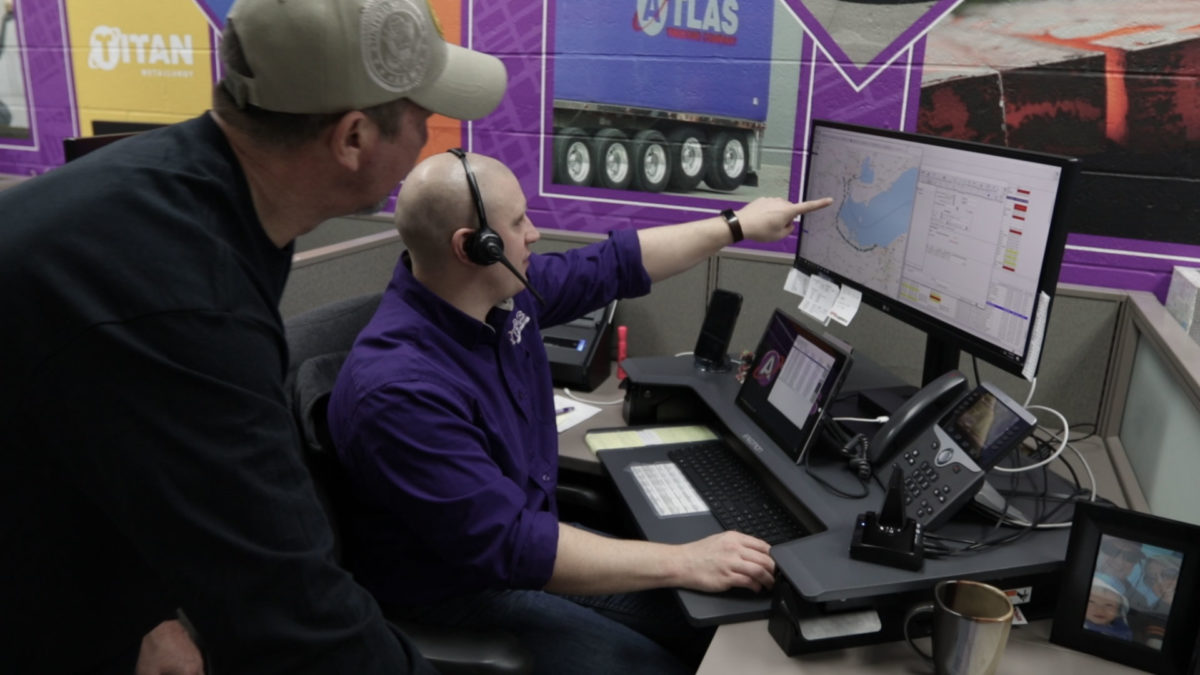
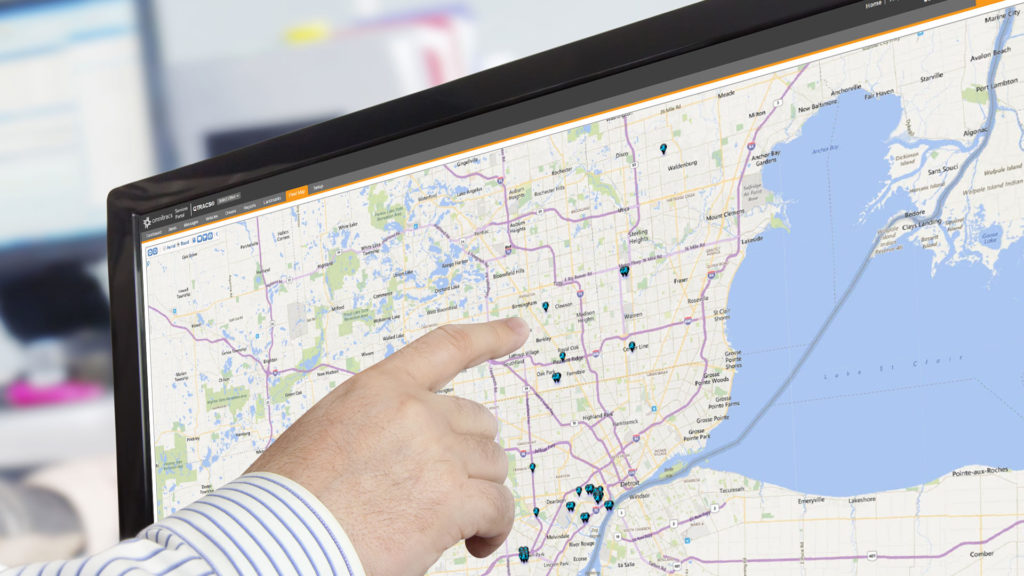
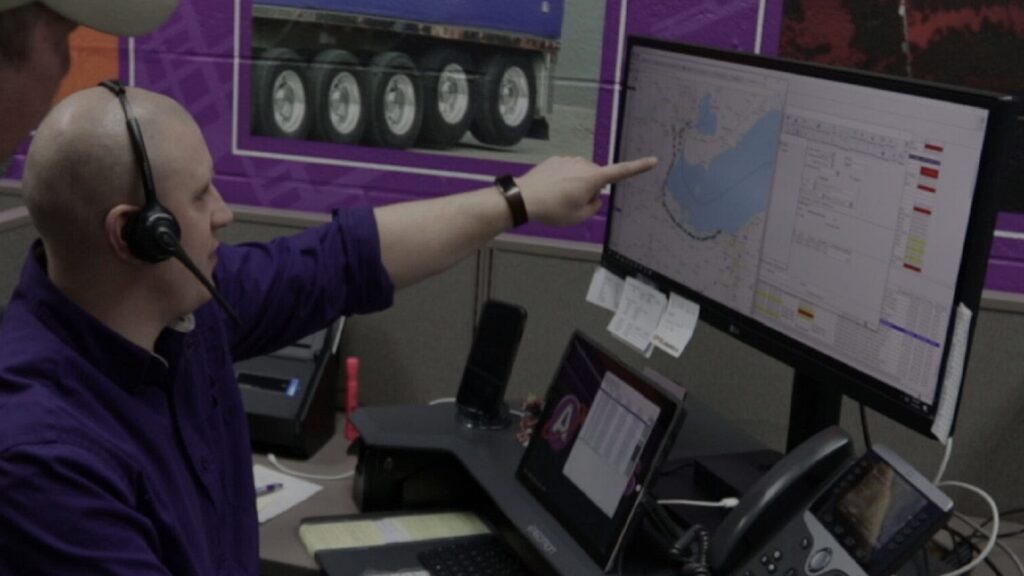
Real-time visibility starts with our fleet management system. Adica Trucking runs Samsara in-cab devices connected to our McLeod Loadmaster Transportation Management System, so dispatchers know the location and status of a shipment at any point in transit. That connection replaces phone calls with data that drivers, dispatchers, and customers can see together.
Real-time tracking also helps with trip planning before a shipment leaves the yard. Dispatchers pull data on typical routes so they can flag potential clearance issues under bridges or through construction zones ahead of time, instead of finding them once a truck is already loaded and moving. Customers see the same updates our dispatchers see, reducing status-check calls and giving shippers a clear window into where their freight is at any hour.
Drivers use the Samsara Mobile App to electronically upload the bill of lading, so paperwork moves with the shipment instead of trailing behind it for days. In the cab, SmartDrive camera systems record footage that helps our safety team review driving habits and respond to incidents fast. Hands-free navigation tools keep drivers focused on the road during routes built around multi-axle trailers and oversized loads.
How Our Operations Back Our Use of Technology
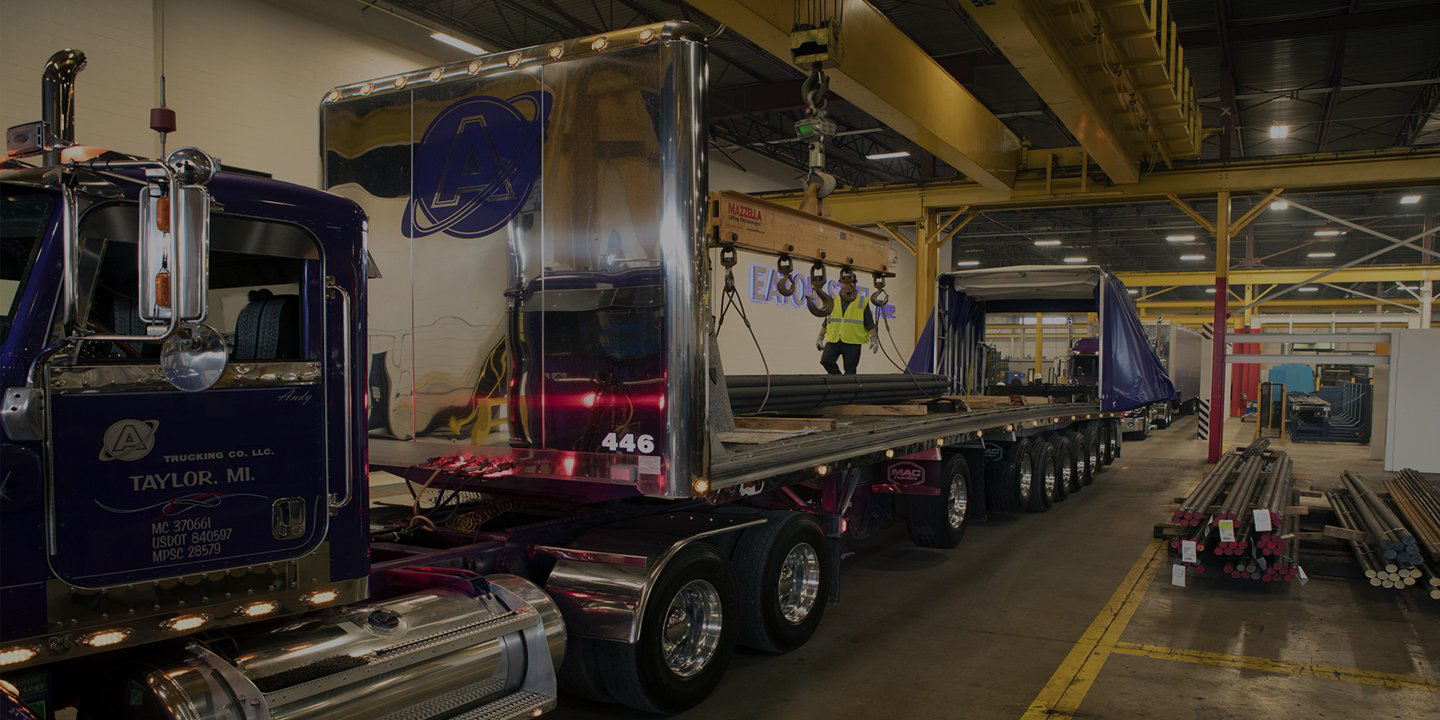
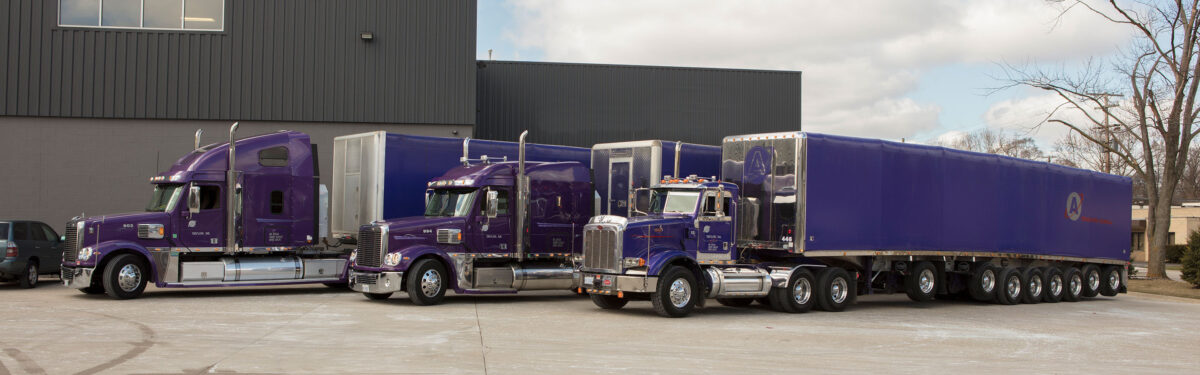
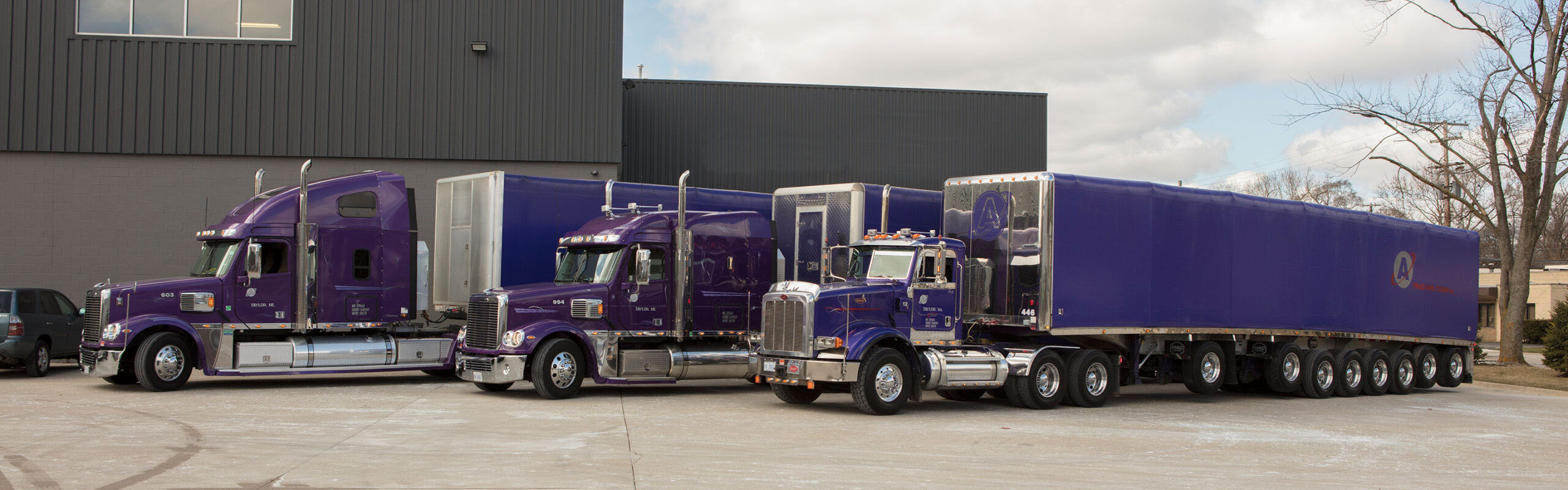
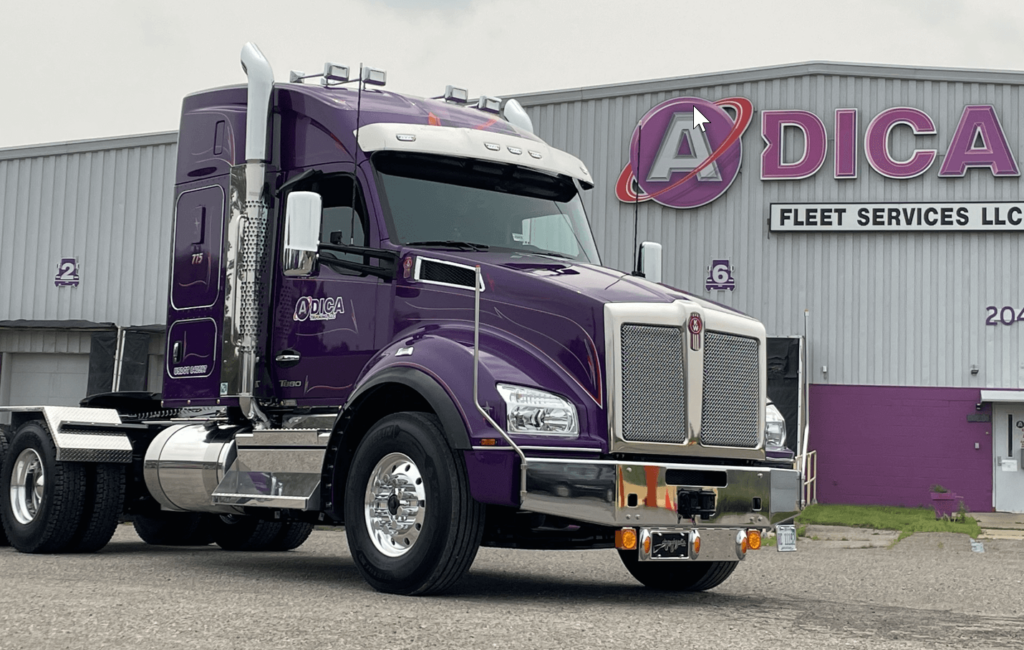
Fleet technology pays off only when strong equipment backs it up. Our 80,000-square-foot maintenance facility keeps our fleet of multi-axle trailers and power units in working condition, reducing roadside breakdowns that cost heavy haul shippers time and money. Preventive maintenance built around this facility means a trailer or power unit gets pulled for service before a part fails on the highway, not after.
Oversize load permits and escort requirements change from state to state, which makes route survey work a core part of heavy haul planning rather than an afterthought. For oversized loads, our team manages the compliance process, including oversize load permits and route surveys, and we coordinate pilot car and escort services when a shipment needs them. Handling that process in-house, rather than leaving it to a shipper or third party, reduces delays caused by missed permit windows or incorrect escort coordination.
Frequently Asked Questions
Adica Trucking employs two full-time Michigan Trucking Association-certified inspectors on staff who complete a full U.S. DOT safety inspection checklist for our fleet every four months. We also partner with JJ Keller for ongoing driver safety training and with Samsara for in-cab camera monitoring. Shippers can look up our current CSA score through FMCSA’s Safety Measurement System using our USDOT number, 840597.
Adica Trucking operates 125 power units and 150 flatbed and Conestoga trailers, with axle configurations from tri-axle up to eight-axle setups for heavy loads.
The FMCSA’s Electronic Logging Device mandate requires most commercial drivers to use a registered ELD to record hours of service instead of paper logs. For heavy haul carriers, this means driving time and rest periods automatically sync with dispatch systems like the one Adica Trucking uses, giving fleet managers a clearer picture of driver availability for oversized loads.