
Blog

Choosing the Right 3PL Partner

Learn how to select the right 3PL partner by evaluating visibility, capacity, compliance, and long-term alignment to support reliable, scalable logistics.

Choosing the Right 3PL Partner

Learn How To Select the Right 3PL Partner
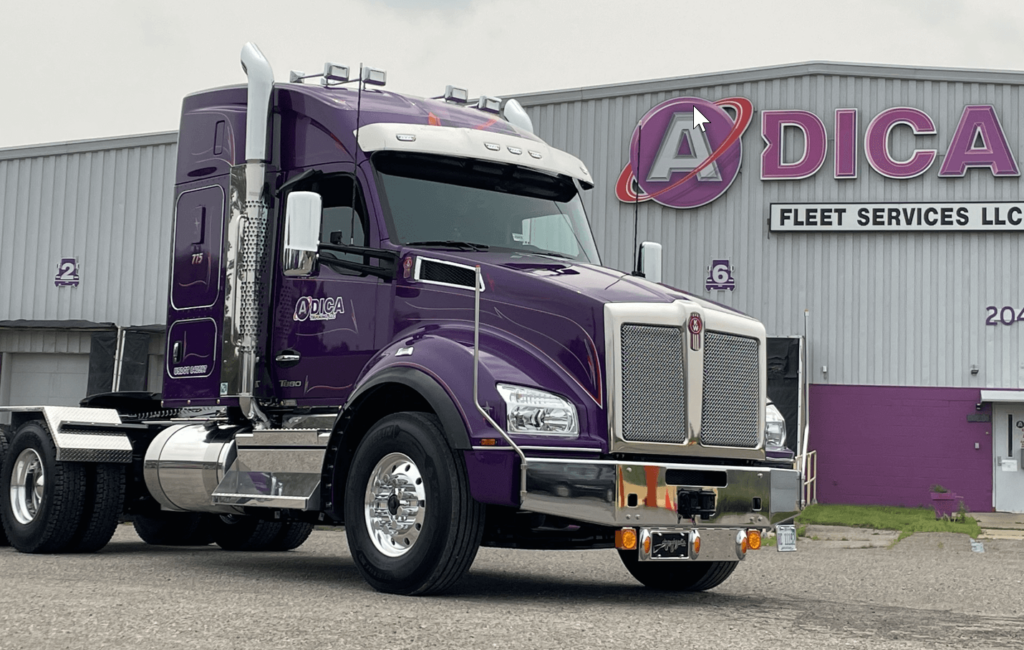
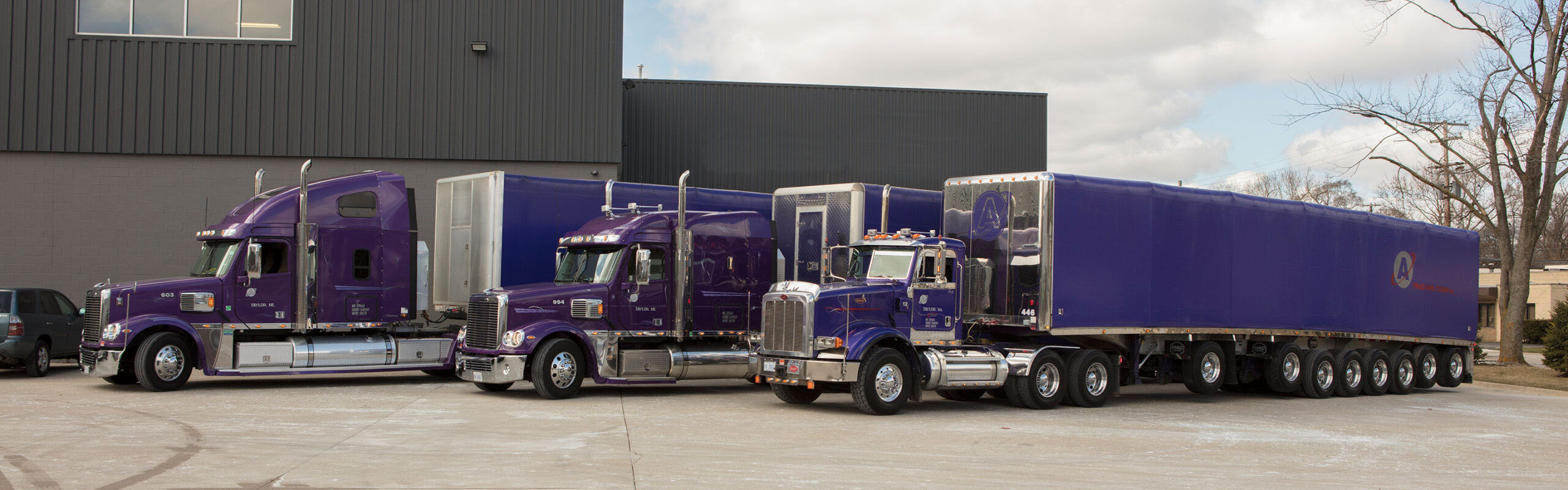
adica trucking vehicle

Choosing a third-party logistics (3PL) partner shapes far more than how freight moves from point A to point B. Your decision influences your operational risk, your ability to scale without disruption, and the level of reliability your customers experience every day. A strong fit helps control costs and protect service expectations as you grow. A weak fit often leads to communication gaps and added strain on internal teams, which can ripple across your customer relationships and long-term planning.

What a 3PL Partner Handles Behind the Scenes

A 3PL partner manages the moving parts that keep your freight flowing without disruption. These responsibilities often go unnoticed, yet they shape cost control, timing, and reliability across your supply chain.

Freight Coordination

A 3PL plans shipments, aligns pickup and delivery schedules, and adjusts routing as conditions change. This coordination helps you avoid delays and reduce last-minute changes that drive up costs. Strong coordination also keeps your freight moving even when volumes shift or lanes change.

Shipment Visibility and Communication

Visibility plays a central role in logistics coordination. A 3PL tracks shipments and shares timely updates so your teams stay informed without chasing information. Clear communication helps address issues quickly and allows you to plan around accurate delivery timelines.

Why Experience and Structure Matter in Logistics Partnerships

Experience gives a 3PL the perspective to anticipate challenges before they affect your operations. Industry knowledge helps logistics teams understand common pressure points across shipping lanes, equipment requirements, and timing constraints. That awareness leads to steadier planning and fewer surprises as your freight moves through different regions and markets.

Structure supports consistency. Established processes guide how the 3PL schedules shipments and addresses issues. This level of organization becomes even more important as your freight needs grow more complex. A 3PL with the ability to manage multiple lanes and varied load types helps you maintain control and reliability, even as your shipping demands change.

Key Factors To Evaluate When Choosing a 3PL Partner

Choosing a 3PL partner requires a close look at how that provider operates day to day. Beyond pricing and availability, the right partner brings clarity and consistency to your logistics planning. Evaluating these core factors helps you understand how a 3PL will perform under pressure and maintain reliable service over time.

Strong visibility allows you to stay informed without demanding updates. A 3PL should provide timely access to shipment status so your teams can plan around accurate information. Clear points of contact matter just as much. Knowing who owns communication reduces confusion and speeds up resolution when questions arise. Consistent information flow across teams and locations helps maintain trust and keeps logistics aligned with your broader business planning.

Coverage across regions helps maintain continuity as shipping lanes shift or expand. Capacity management also matters during volume changes, since the ability to adjust without disruption helps you protect schedules and control costs.

Logistics coordination carries regulatory responsibility. A knowledgeable 3PL understands applicable regulations and how they affect freight movement. Clear documentation practices help maintain transparency and accountability. Carriers that meet established standards reduce exposure and help you maintain steady operations across shipments.

Freight demands change over time. A capable 3PL manages different shipment types without forcing rigid processes. The ability to coordinate planned and time-sensitive freight helps you maintain momentum during peak periods or unexpected shifts. Managing logistics across multiple customers or locations also requires a clear structure to maintain consistency as your operations scale.

How Strong 3PLs Align With Business Goals

A strong 3PL relationship stays connected to where your business is headed. As your growth plans take shape, your logistics partners influence how freight expands across lanes, customers, and regions. When logistics planning aligns with your business objectives, you can scale with greater control over costs and day-to-day operations.

Change often puts pressure on logistics workflows. Volume fluctuations, market expansion, and shifting expectations test coordination and communication. A well-aligned 3PL applies clear processes and steady oversight during these transitions, helping you maintain consistency as operations adjust.

That alignment also frees your internal teams to focus on core priorities. When freight coordination runs smoothly and updates are clear, your teams spend less time resolving issues and more time planning and managing growth. A reliable 3PL relationship keeps your freight movement organized and predictable.

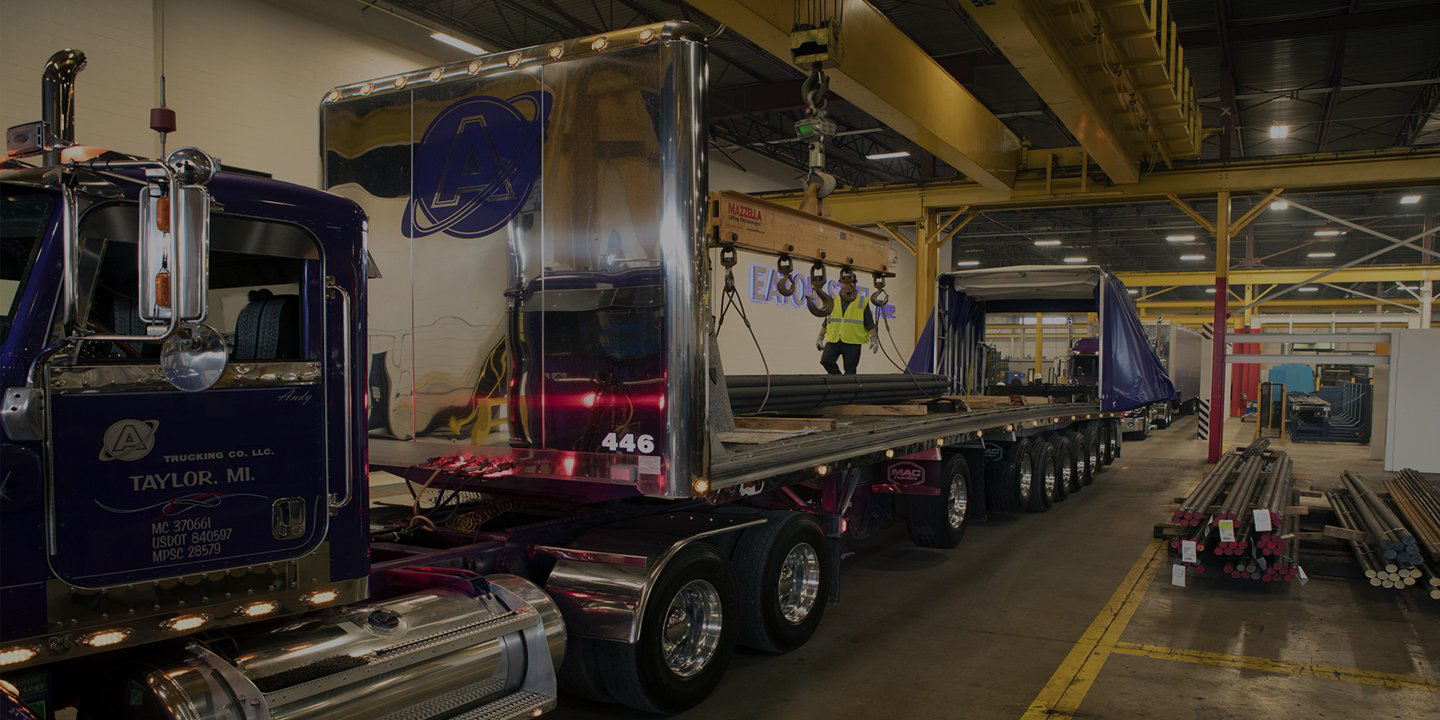
Image of Atlas trucking company providing logistics services.

Questions Businesses Should Ask Before Selecting a 3PL

Before selecting a 3PL, you should ask practical questions that reveal how the provider operates day to day. These conversations help clarify expectations and uncover how the partnership will function once freight starts moving.

Visibility should sit near the top of that discussion. You should understand:

  • How shipment updates get shared
  • How often updates are shared
  • Who provides those updates

Clear visibility helps your teams plan accurately and avoid gaps that create confusion or delays.

Issue management also deserves attention. Freight rarely moves without challenges, so you should ask how the 3PL:

  • Identifies problems
  • Communicates updates
  • Works toward resolution

A clear process shows how the provider handles pressure and maintains accountability when plans shift.

Finally, you should explore how the 3PL adapts as needs change. Growth, volume fluctuations, and new shipping lanes introduce complexity over time. Understanding how a provider adjusts processes and resources helps ensure the relationship stays aligned as your operations evolve.

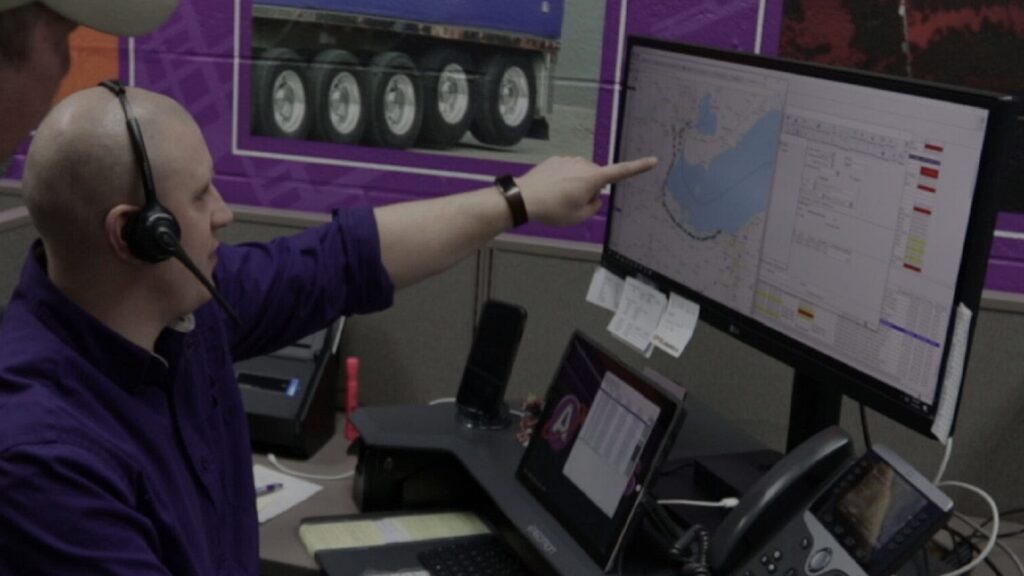
Image of ADICA Logistics employees planning shipping routes.

What Sets Strategic 3PL Partnerships Apart

Strategic 3PL partnerships focus on long-term alignment rather than short-term transactions. A long-term mindset helps both sides plan ahead, anticipate changes, and maintain stability as your freight needs shift. This perspective supports consistent planning and reduces friction as your operations grow or adjust.

Process-driven coordination plays a key role in that stability. Clear workflows guide how the 3PL schedules shipments and communicates updates. When logistics follow defined processes, your teams can gain clarity and maintain steadier execution across shipments and locations.

Clear accountability ties everything together. Strategic 3PL partners define ownership across communication, coordination, and issue management. That clarity helps prevent confusion and strengthens trust throughout your relationship.

How We Approach 3PL Services at ADICA Logistics

We approach 3PL services with coordinated logistics planning that connects shipments and communication into a single, organized workflow. Our team manages freight movement with clear oversight so you can maintain visibility across lanes and locations while avoiding unnecessary handoffs or confusion.

Our logistics operation draws on a large carrier network alongside our own modern fleet. That combination gives us the flexibility to manage capacity changes, align equipment with shipment needs, and keep freight moving as conditions shift.

Throughout our 3PL services, we prioritize consistent execution and clear communication to keep freight predictable and dependable. By maintaining structured processes and defined accountability, we help you maintain reliable logistics operations that align with your broader business planning.

Why Companies Choose ADICA

Companies choose ADICA Logistics because our 3PL services align with how modern supply chains operate and scale. We combine coordinated logistics planning with a consistent focus on reliability so you can maintain control as your freight volumes, order flow, and distribution needs change.

Our Michigan location places inventory close to major manufacturing corridors and cross-border routes, which helps shorten transit times and improve distribution efficiency. We also offer scalable storage options that allow you to adjust space as demand shifts, without disrupting operations or adding complexity.

Beyond transportation and storage, our 3PL fulfillment services manage every stage of the order flow, from receiving and inventory management to outbound shipping. Real-time tracking keeps customers informed throughout the process, providing clear visibility into inventory status and shipment movement. Together, these capabilities give businesses a structured, dependable 3PL partner that fits long-term planning and daily execution.

Frequently Asked Questions

How does a 3PL pricing structure typically work?

3PL pricing reflects the services involved, shipment volume, storage needs, and complexity of coordination. Costs may vary based on transportation, warehousing, fulfillment activity, and technology usage.

Can a 3PL integrate with existing systems and workflows?

We work alongside customer systems to share shipment data, inventory updates, and order information. Compatibility and integration capabilities affect visibility and efficiency, so it’s good to discuss how data flows between teams early in the evaluation process.

What industries commonly work with 3PL providers?

3PL services are ideal for numerous industries, including manufacturing, retail, and industrial distribution. ADICA customers include leaders in the robotics, automotive, and building material sectors.
Understanding Fleet Maintenance Regulations and Compliance

Understand how fleet maintenance regulations affect uptime, safety, and compliance.

Understanding Fleet Maintenance Regulations and Compliance

Understand how fleet maintenance regulations affect uptime, safety, and compliance.

fleet maintenance services

Fleet maintenance compliance directly affects uptime, safety, and your day-to-day operations. Well-maintained vehicles stay in service longer and reduce disruptions that can impact customers and internal teams. Clear maintenance standards also signal reliability, affecting how partners and regulators view your fleet over time.

Compliance gaps often create financial and operational exposure. Inspection failures, unexpected repairs, and out-of-service orders disrupt planning and increase costs. Oversight by the Federal Motor Carrier Safety Administration (FMCSA) ties vehicle condition to safety expectations, which means maintenance decisions influence risk and reputation. At ADICA Trucking, we view consistent maintenance compliance as a practical way to protect operations and maintain long-term stability.

How Regulations Influence Day-to-Day Fleet Decisions

Federal oversight shapes how fleets plan and manage daily operations. FMCSA requirements influence maintenance schedules and inspection routines. Those expectations affect budgeting decisions, repair timing, and the way you allocate resources across your fleet to avoid interruptions.

Compliance also belongs at the leadership level. Decisions around asset investment, replacement cycles, and maintenance planning carry regulatory weight that extends beyond operations teams. At ADICA Trucking, we treat compliance as part of broader business planning, since clear alignment between regulations and decision-making helps control costs and keep fleets moving.

The Role of FMCSA in Fleet Maintenance Oversight

FMCSA sets national standards that guide how commercial fleets maintain their equipment. It promotes roadway safety and ensures commercial vehicles meet consistent operating expectations. These regulations define how you inspect, repair, and document vehicle condition across your operations.

The administration’s maintenance expectations influence how fleets plan their daily and long-term activities. Commercial vehicles must meet clear standards to remain in service, which affects scheduling, equipment availability, and resource planning.

Core Maintenance Areas FMCSA Expects Fleets To Address

FMCSA oversight focuses on how fleets maintain their vehicles’ condition over time. These expectations shape daily processes and long-term planning, especially for commercial fleets that operate at scale. Below, we break down the primary maintenance areas FMCSA monitors and how they influence real-world operations.

FMCSA requires fleets to conduct regular vehicle inspections to confirm roadworthiness. Drivers complete pre-trip and post-trip inspections to identify issues before vehicles enter service or after they return. Fleets must also schedule periodic inspections that take a broader view of vehicle condition, including brakes, tires, steering components, lighting, and load securement equipment.

Inspection results guide operational decisions. When teams identify issues early, fleets can plan repairs without disrupting schedules. Missed or inconsistent inspections increase exposure during FMCSA roadside checks and compliance reviews, which can quickly affect availability and planning.

FMCSA expects fleets to address identified defects promptly and keep vehicles out of service until repairs resolve safety-related issues. Maintenance teams must prioritize repairs that affect safe operation, not convenience or scheduling pressure. That expectation directly affects how fleets manage shop capacity, parts inventory, and repair timelines.

Repair decisions also influence asset management. Fleets that track repair trends gain clearer insight into vehicle performance and replacement timing.

FMCSA places strong emphasis on maintenance documentation. Fleets must maintain records that show inspections, repairs, and maintenance activity for each vehicle. These records create a clear history of how fleets manage equipment and respond to identified issues.

Accurate recordkeeping helps leadership teams maintain visibility across the fleet. Clear documentation supports informed budgeting and operational planning. Gaps in records often create compliance challenges and operational friction, especially during reviews. Strong documentation practices help you maintain clarity and accountability across your operations.

Where Many Businesses Lose Visibility

Many businesses define maintenance policies but struggle to maintain consistency in daily execution. Written standards may exist, yet inspection routines, repair follow-through, and reporting can vary across drivers or locations. Those gaps limit visibility into actual fleet condition and make it harder to identify issues before they affect operations.

Documentation also creates challenges. Inconsistent records, delayed updates, or disconnected systems reduce clarity around inspection results and repair history. As fleets grow, these issues often multiply. More vehicles, drivers, and service points increase complexity, which can strain internal processes and limit leadership insight.

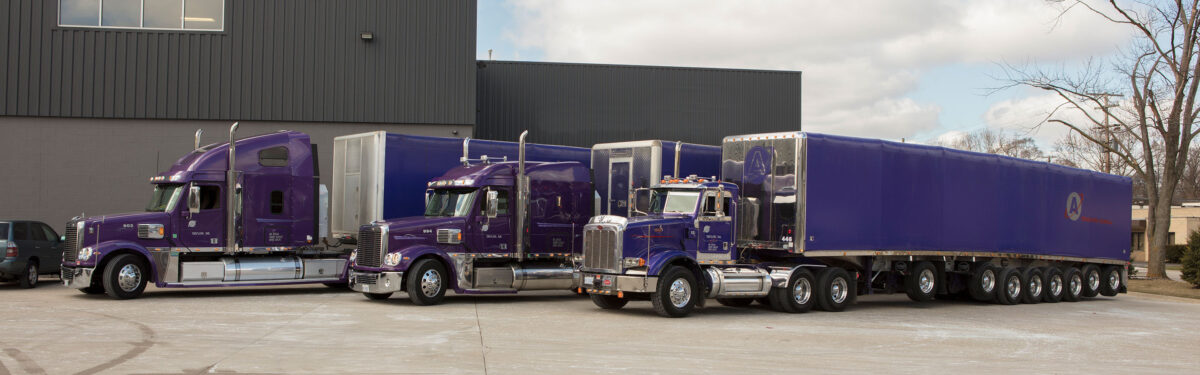
Adica Trucking & Logistics Warehouse

How Proactive Maintenance Planning Reduces Operational Exposure

Proactive maintenance planning helps fleets avoid disruptions that derail schedules and strain resources. When teams plan inspections and repairs ahead of time, vehicles spend less time sidelined by unexpected issues. That foresight keeps operations steady and allows leadership to make decisions based on accurate information rather than reacting to last-minute problems.

Clear planning also creates accountability and improves readiness during compliance reviews. Defined processes make it easier to track responsibility for inspections, repairs, and documentation. FMCSA reviews place emphasis on consistency and follow-through, and proactive planning helps fleets present clear records that reflect how they manage equipment day to day.

The Business Value of Documented Fleet Maintenance

Documented fleet maintenance provides the information FMCSA requires and gives leadership clearer insight into how equipment performs over time. Reliable records make decision-making more straightforward by detailing inspection results and maintenance patterns. With accurate information, teams can plan service schedules and address issues before they affect operations.

Strong documentation also supports asset lifecycle planning. Maintenance records highlight recurring issues and long-term performance trends, which helps guide repair strategies and replacement timing. That visibility matches day-to-day operations to leadership goals by connecting maintenance activity to broader planning efforts.

Why Many Businesses Look Beyond Internal Teams

As fleets grow, maintenance oversight becomes more complex. More vehicles, drivers, and service schedules increase the coordination required to keep equipment compliant and available. Internal teams often manage competing priorities, which can limit visibility and consistency as operations expand.

Regulatory expectations also change over time. FMCSA guidance evolves, and keeping maintenance practices in compliance requires ongoing attention. Many businesses turn to experienced partners to help manage fleet maintenance at scale while maintaining clarity and control. At ADICA Trucking, our fleet and maintenance services help businesses maintain consistent practices, adapt to regulatory updates, and keep operations coordinated as fleets continue to grow.

worker viewing logistics on computer

What Businesses Should Evaluate in Their Current Maintenance Approach

Businesses benefit from taking a clear look at how much visibility they have into maintenance activity. Leadership should be able to speedily and comprehensively review:

  • Inspection results
  • Repair status
  • Vehicle condition

Limited insight often signals process issues that affect planning and daily operations.

Consistency also matters across drivers and service schedules. Maintenance practices should follow the same standards throughout the fleet to reduce risk and avoid uneven outcomes. Compliance with FMCSA expectations ties everything together. When maintenance processes reflect federal guidance, fleets maintain steadier operations and stronger positioning during reviews.

How We Handle Fleet Maintenance at ADICA Trucking

We approach fleet maintenance for our customers with a strategic mindset that ties daily maintenance activity to long-term operational goals. Our focus stays on consistency and planning so customers maintain steady equipment availability and clearer oversight across their fleets. This approach helps reduce disruptions and supports predictable operations.

Compliance-aware planning shapes how we guide inspections, repairs, and documentation. We stay in tune with FMCSA expectations and help customers maintain processes that remain consistent as their fleets grow. By keeping long-term fleet reliability in view, we help customers protect asset value and manage risk.

Frequently Asked Questions

How often should commercial fleets review their maintenance programs?

Regular reviews help ensure maintenance practices stay aligned with operational demands and federal expectations. Many fleets benefit from scheduled evaluations tied to growth milestones, equipment changes, or shifts in operating regions. These reviews help leadership confirm that maintenance planning continues to match fleet size and usage patterns.

How do roadside inspections affect long-term compliance records?

Roadside inspections contribute to a fleet’s overall compliance profile and can influence future reviews. Inspection results highlight how well maintenance practices translate into real-world conditions. Consistent outcomes reflect strong preparation, while repeated issues often point to gaps in inspection routines or follow-through.

Can maintenance practices influence insurance and risk assessments?

Yes. Insurers often review maintenance history and compliance patterns when assessing risk. Clear records and consistent practices can influence how insurers evaluate fleets over time. Strong maintenance oversight helps demonstrate responsible fleet management and operational control.