
Choosing the Right 3PL Partner
Learn How To Select the Right 3PL Partner
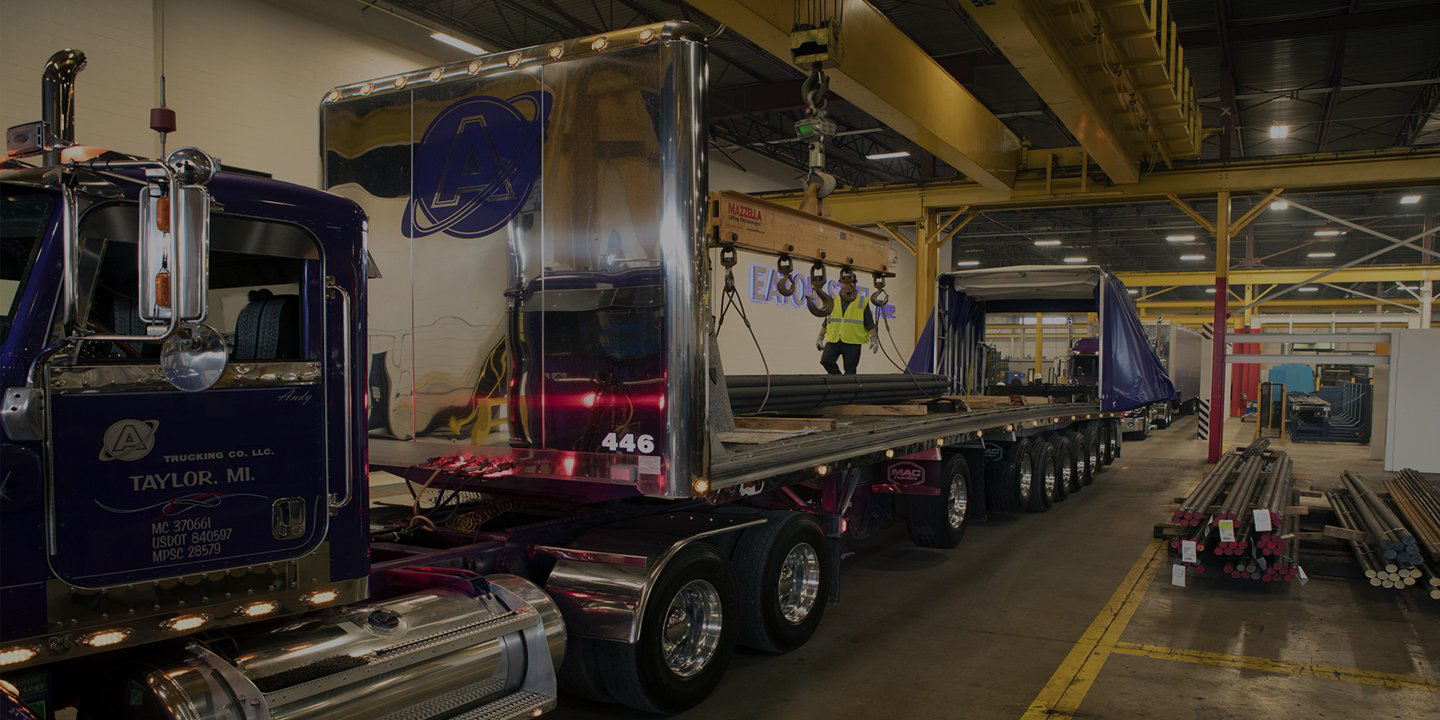
Choosing a third-party logistics (3PL) partner shapes far more than how freight moves from point A to point B. Your decision influences your operational risk, your ability to scale without disruption, and the level of reliability your customers experience every day. A strong fit helps control costs and protect service expectations as you grow. A weak fit often leads to communication gaps and added strain on internal teams, which can ripple across your customer relationships and long-term planning.
What a 3PL Partner Handles Behind the Scenes
A 3PL partner manages the moving parts that keep your freight flowing without disruption. These responsibilities often go unnoticed, yet they shape cost control, timing, and reliability across your supply chain.
Freight Coordination
A 3PL plans shipments, aligns pickup and delivery schedules, and adjusts routing as conditions change. This coordination helps you avoid delays and reduce last-minute changes that drive up costs. Strong coordination also keeps your freight moving even when volumes shift or lanes change.
Shipment Visibility and Communication
Visibility plays a central role in logistics coordination. A 3PL tracks shipments and shares timely updates so your teams stay informed without chasing information. Clear communication helps address issues quickly and allows you to plan around accurate delivery timelines.
Why Experience and Structure Matter in Logistics Partnerships
Experience gives a 3PL the perspective to anticipate challenges before they affect your operations. Industry knowledge helps logistics teams understand common pressure points across shipping lanes, equipment requirements, and timing constraints. That awareness leads to steadier planning and fewer surprises as your freight moves through different regions and markets.
Structure supports consistency. Established processes guide how the 3PL schedules shipments and addresses issues. This level of organization becomes even more important as your freight needs grow more complex. A 3PL with the ability to manage multiple lanes and varied load types helps you maintain control and reliability, even as your shipping demands change.
Key Factors To Evaluate When Choosing a 3PL Partner
Choosing a 3PL partner requires a close look at how that provider operates day to day. Beyond pricing and availability, the right partner brings clarity and consistency to your logistics planning. Evaluating these core factors helps you understand how a 3PL will perform under pressure and maintain reliable service over time.
Strong visibility allows you to stay informed without demanding updates. A 3PL should provide timely access to shipment status so your teams can plan around accurate information. Clear points of contact matter just as much. Knowing who owns communication reduces confusion and speeds up resolution when questions arise. Consistent information flow across teams and locations helps maintain trust and keeps logistics aligned with your broader business planning.
Coverage across regions helps maintain continuity as shipping lanes shift or expand. Capacity management also matters during volume changes, since the ability to adjust without disruption helps you protect schedules and control costs.
Logistics coordination carries regulatory responsibility. A knowledgeable 3PL understands applicable regulations and how they affect freight movement. Clear documentation practices help maintain transparency and accountability. Carriers that meet established standards reduce exposure and help you maintain steady operations across shipments.
Freight demands change over time. A capable 3PL manages different shipment types without forcing rigid processes. The ability to coordinate planned and time-sensitive freight helps you maintain momentum during peak periods or unexpected shifts. Managing logistics across multiple customers or locations also requires a clear structure to maintain consistency as your operations scale.
How Strong 3PLs Align With Business Goals
A strong 3PL relationship stays connected to where your business is headed. As your growth plans take shape, your logistics partners influence how freight expands across lanes, customers, and regions. When logistics planning aligns with your business objectives, you can scale with greater control over costs and day-to-day operations.
Change often puts pressure on logistics workflows. Volume fluctuations, market expansion, and shifting expectations test coordination and communication. A well-aligned 3PL applies clear processes and steady oversight during these transitions, helping you maintain consistency as operations adjust.
That alignment also frees your internal teams to focus on core priorities. When freight coordination runs smoothly and updates are clear, your teams spend less time resolving issues and more time planning and managing growth. A reliable 3PL relationship keeps your freight movement organized and predictable.

Questions Businesses Should Ask Before Selecting a 3PL
Before selecting a 3PL, you should ask practical questions that reveal how the provider operates day to day. These conversations help clarify expectations and uncover how the partnership will function once freight starts moving.
Visibility should sit near the top of that discussion. You should understand:
- How shipment updates get shared
- How often updates are shared
- Who provides those updates
Clear visibility helps your teams plan accurately and avoid gaps that create confusion or delays.
Issue management also deserves attention. Freight rarely moves without challenges, so you should ask how the 3PL:
- Identifies problems
- Communicates updates
- Works toward resolution
A clear process shows how the provider handles pressure and maintains accountability when plans shift.
Finally, you should explore how the 3PL adapts as needs change. Growth, volume fluctuations, and new shipping lanes introduce complexity over time. Understanding how a provider adjusts processes and resources helps ensure the relationship stays aligned as your operations evolve.
What Sets Strategic 3PL Partnerships Apart
Strategic 3PL partnerships focus on long-term alignment rather than short-term transactions. A long-term mindset helps both sides plan ahead, anticipate changes, and maintain stability as your freight needs shift. This perspective supports consistent planning and reduces friction as your operations grow or adjust.
Process-driven coordination plays a key role in that stability. Clear workflows guide how the 3PL schedules shipments and communicates updates. When logistics follow defined processes, your teams can gain clarity and maintain steadier execution across shipments and locations.
Clear accountability ties everything together. Strategic 3PL partners define ownership across communication, coordination, and issue management. That clarity helps prevent confusion and strengthens trust throughout your relationship.
How We Approach 3PL Services at ADICA Logistics
We approach 3PL services with coordinated logistics planning that connects shipments and communication into a single, organized workflow. Our team manages freight movement with clear oversight so you can maintain visibility across lanes and locations while avoiding unnecessary handoffs or confusion.
Our logistics operation draws on a large carrier network alongside our own modern fleet. That combination gives us the flexibility to manage capacity changes, align equipment with shipment needs, and keep freight moving as conditions shift.
Throughout our 3PL services, we prioritize consistent execution and clear communication to keep freight predictable and dependable. By maintaining structured processes and defined accountability, we help you maintain reliable logistics operations that align with your broader business planning.
Why Companies Choose ADICA
Companies choose ADICA Logistics because our 3PL services align with how modern supply chains operate and scale. We combine coordinated logistics planning with a consistent focus on reliability so you can maintain control as your freight volumes, order flow, and distribution needs change.
Our Michigan location places inventory close to major manufacturing corridors and cross-border routes, which helps shorten transit times and improve distribution efficiency. We also offer scalable storage options that allow you to adjust space as demand shifts, without disrupting operations or adding complexity.
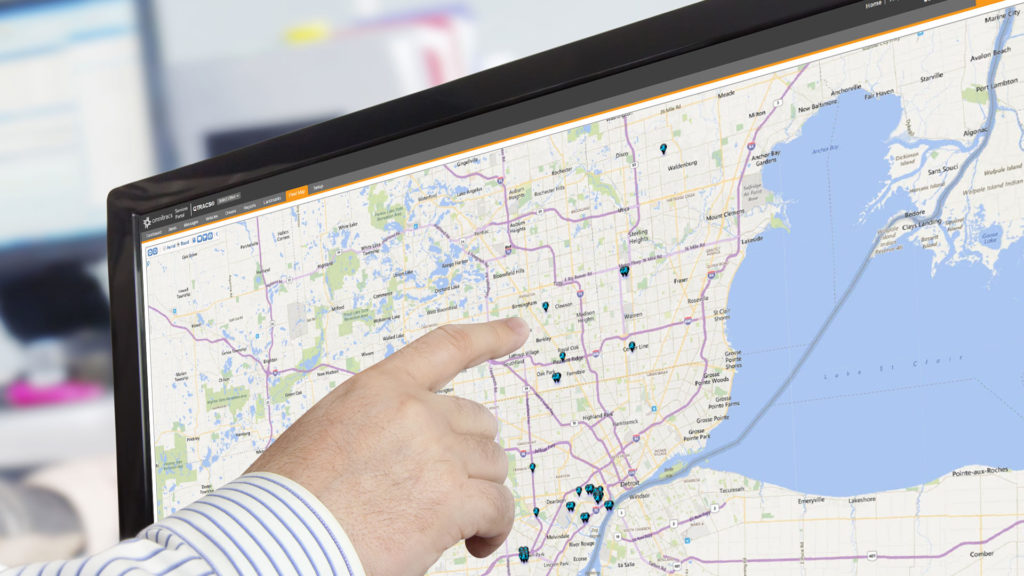
Beyond transportation and storage, our 3PL fulfillment services manage every stage of the order flow, from receiving and inventory management to outbound shipping. Real-time tracking keeps customers informed throughout the process, providing clear visibility into inventory status and shipment movement. Together, these capabilities give businesses a structured, dependable 3PL partner that fits long-term planning and daily execution.
Frequently Asked Questions
How does a 3PL pricing structure typically work?
3PL pricing reflects the services involved, shipment volume, storage needs, and complexity of coordination. Costs may vary based on transportation, warehousing, fulfillment activity, and technology usage.
Can a 3PL integrate with existing systems and workflows?
We work alongside customer systems to share shipment data, inventory updates, and order information. Compatibility and integration capabilities affect visibility and efficiency, so it’s good to discuss how data flows between teams early in the evaluation process.
What industries commonly work with 3PL providers?
3PL services are ideal for numerous industries, including manufacturing, retail, and industrial distribution. ADICA customers include leaders in the robotics, automotive, and building material sectors.