
Understanding Fleet Maintenance Regulations and Compliance
Understand how fleet maintenance regulations affect uptime, safety, and compliance.
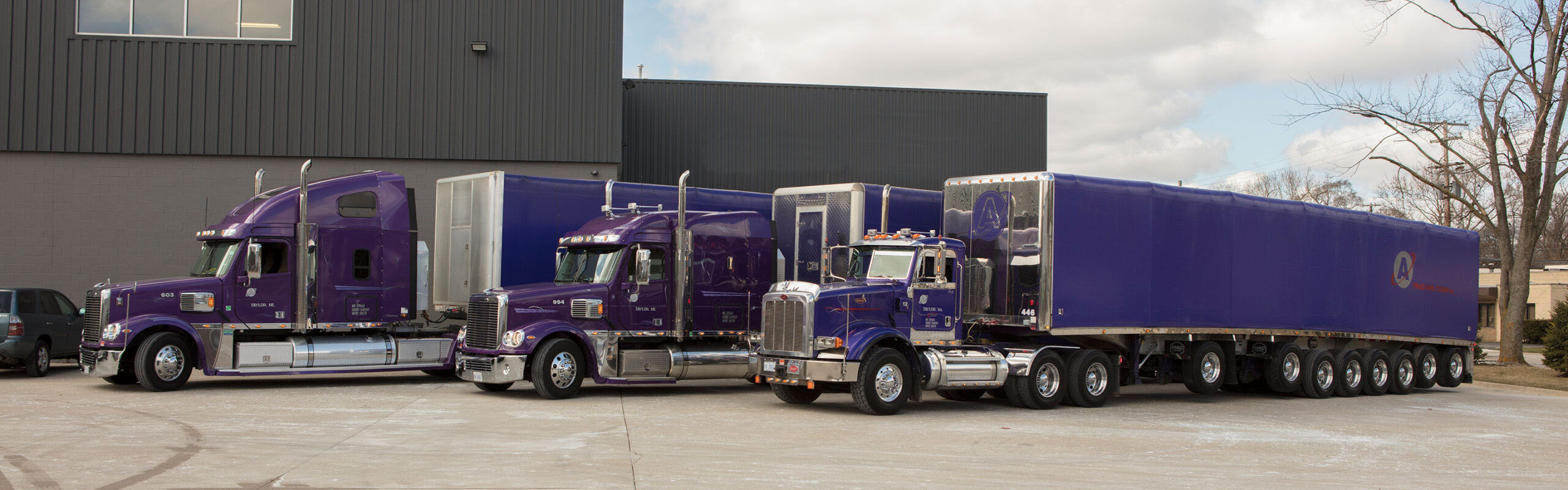
Fleet maintenance compliance directly affects uptime, safety, and your day-to-day operations. Well-maintained vehicles stay in service longer and reduce disruptions that can impact customers and internal teams. Clear maintenance standards also signal reliability, affecting how partners and regulators view your fleet over time.
Compliance gaps often create financial and operational exposure. Inspection failures, unexpected repairs, and out-of-service orders disrupt planning and increase costs. Oversight by the Federal Motor Carrier Safety Administration (FMCSA) ties vehicle condition to safety expectations, which means maintenance decisions influence risk and reputation. At ADICA Trucking, we view consistent maintenance compliance as a practical way to protect operations and maintain long-term stability.
How Regulations Influence Day-to-Day Fleet Decisions
Federal oversight shapes how fleets plan and manage daily operations. FMCSA requirements influence maintenance schedules and inspection routines. Those expectations affect budgeting decisions, repair timing, and the way you allocate resources across your fleet to avoid interruptions.
Compliance also belongs at the leadership level. Decisions around asset investment, replacement cycles, and maintenance planning carry regulatory weight that extends beyond operations teams. At ADICA Trucking, we treat compliance as part of broader business planning, since clear alignment between regulations and decision-making helps control costs and keep fleets moving.
The Role of FMCSA in Fleet Maintenance Oversight
FMCSA sets national standards that guide how commercial fleets maintain their equipment. It promotes roadway safety and ensures commercial vehicles meet consistent operating expectations. These regulations define how you inspect, repair, and document vehicle condition across your operations.
The administration’s maintenance expectations influence how fleets plan their daily and long-term activities. Commercial vehicles must meet clear standards to remain in service, which affects scheduling, equipment availability, and resource planning.
Core Maintenance Areas FMCSA Expects Fleets To Address
FMCSA oversight focuses on how fleets maintain their vehicles’ condition over time. These expectations shape daily processes and long-term planning, especially for commercial fleets that operate at scale. Below, we break down the primary maintenance areas FMCSA monitors and how they influence real-world operations.
FMCSA requires fleets to conduct regular vehicle inspections to confirm roadworthiness. Drivers complete pre-trip and post-trip inspections to identify issues before vehicles enter service or after they return. Fleets must also schedule periodic inspections that take a broader view of vehicle condition, including brakes, tires, steering components, lighting, and load securement equipment.
Inspection results guide operational decisions. When teams identify issues early, fleets can plan repairs without disrupting schedules. Missed or inconsistent inspections increase exposure during FMCSA roadside checks and compliance reviews, which can quickly affect availability and planning.
FMCSA expects fleets to address identified defects promptly and keep vehicles out of service until repairs resolve safety-related issues. Maintenance teams must prioritize repairs that affect safe operation, not convenience or scheduling pressure. That expectation directly affects how fleets manage shop capacity, parts inventory, and repair timelines.
Repair decisions also influence asset management. Fleets that track repair trends gain clearer insight into vehicle performance and replacement timing.
FMCSA places strong emphasis on maintenance documentation. Fleets must maintain records that show inspections, repairs, and maintenance activity for each vehicle. These records create a clear history of how fleets manage equipment and respond to identified issues.
Accurate recordkeeping helps leadership teams maintain visibility across the fleet. Clear documentation supports informed budgeting and operational planning. Gaps in records often create compliance challenges and operational friction, especially during reviews. Strong documentation practices help you maintain clarity and accountability across your operations.
Where Many Businesses Lose Visibility
Many businesses define maintenance policies but struggle to maintain consistency in daily execution. Written standards may exist, yet inspection routines, repair follow-through, and reporting can vary across drivers or locations. Those gaps limit visibility into actual fleet condition and make it harder to identify issues before they affect operations.
Documentation also creates challenges. Inconsistent records, delayed updates, or disconnected systems reduce clarity around inspection results and repair history. As fleets grow, these issues often multiply. More vehicles, drivers, and service points increase complexity, which can strain internal processes and limit leadership insight.
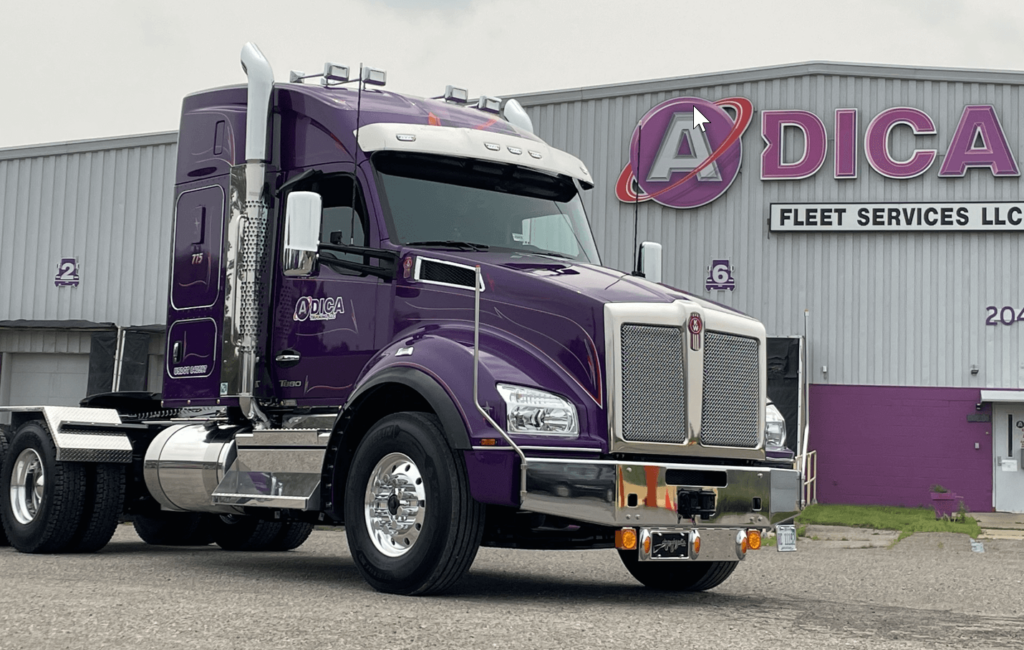
How Proactive Maintenance Planning Reduces Operational Exposure
Proactive maintenance planning helps fleets avoid disruptions that derail schedules and strain resources. When teams plan inspections and repairs ahead of time, vehicles spend less time sidelined by unexpected issues. That foresight keeps operations steady and allows leadership to make decisions based on accurate information rather than reacting to last-minute problems.
Clear planning also creates accountability and improves readiness during compliance reviews. Defined processes make it easier to track responsibility for inspections, repairs, and documentation. FMCSA reviews place emphasis on consistency and follow-through, and proactive planning helps fleets present clear records that reflect how they manage equipment day to day.
The Business Value of Documented Fleet Maintenance
Documented fleet maintenance provides the information FMCSA requires and gives leadership clearer insight into how equipment performs over time. Reliable records make decision-making more straightforward by detailing inspection results and maintenance patterns. With accurate information, teams can plan service schedules and address issues before they affect operations.
Strong documentation also supports asset lifecycle planning. Maintenance records highlight recurring issues and long-term performance trends, which helps guide repair strategies and replacement timing. That visibility matches day-to-day operations to leadership goals by connecting maintenance activity to broader planning efforts.
Why Many Businesses Look Beyond Internal Teams
As fleets grow, maintenance oversight becomes more complex. More vehicles, drivers, and service schedules increase the coordination required to keep equipment compliant and available. Internal teams often manage competing priorities, which can limit visibility and consistency as operations expand.
Regulatory expectations also change over time. FMCSA guidance evolves, and keeping maintenance practices in compliance requires ongoing attention. Many businesses turn to experienced partners to help manage fleet maintenance at scale while maintaining clarity and control. At ADICA Trucking, our fleet and maintenance services help businesses maintain consistent practices, adapt to regulatory updates, and keep operations coordinated as fleets continue to grow.
What Businesses Should Evaluate in Their Current Maintenance Approach
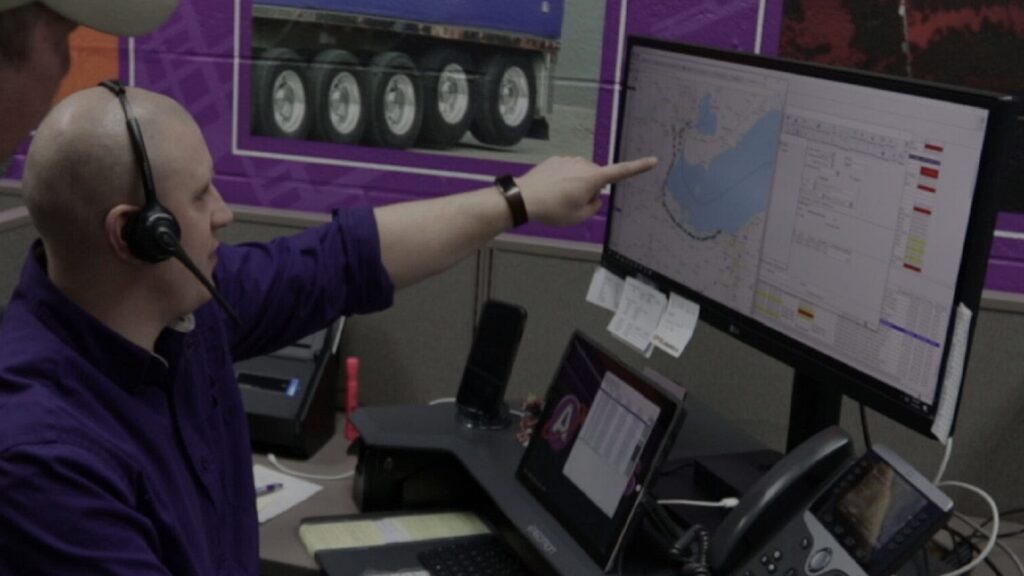
Businesses benefit from taking a clear look at how much visibility they have into maintenance activity. Leadership should be able to speedily and comprehensively review:
- Inspection results
- Repair status
- Vehicle condition
Limited insight often signals process issues that affect planning and daily operations.
Consistency also matters across drivers and service schedules. Maintenance practices should follow the same standards throughout the fleet to reduce risk and avoid uneven outcomes. Compliance with FMCSA expectations ties everything together. When maintenance processes reflect federal guidance, fleets maintain steadier operations and stronger positioning during reviews.
How We Handle Fleet Maintenance at ADICA Trucking
We approach fleet maintenance for our customers with a strategic mindset that ties daily maintenance activity to long-term operational goals. Our focus stays on consistency and planning so customers maintain steady equipment availability and clearer oversight across their fleets. This approach helps reduce disruptions and supports predictable operations.
Compliance-aware planning shapes how we guide inspections, repairs, and documentation. We stay in tune with FMCSA expectations and help customers maintain processes that remain consistent as their fleets grow. By keeping long-term fleet reliability in view, we help customers protect asset value and manage risk.
Frequently Asked Questions
How often should commercial fleets review their maintenance programs?
Regular reviews help ensure maintenance practices stay aligned with operational demands and federal expectations. Many fleets benefit from scheduled evaluations tied to growth milestones, equipment changes, or shifts in operating regions. These reviews help leadership confirm that maintenance planning continues to match fleet size and usage patterns.
How do roadside inspections affect long-term compliance records?
Roadside inspections contribute to a fleet’s overall compliance profile and can influence future reviews. Inspection results highlight how well maintenance practices translate into real-world conditions. Consistent outcomes reflect strong preparation, while repeated issues often point to gaps in inspection routines or follow-through.
Can maintenance practices influence insurance and risk assessments?
Yes. Insurers often review maintenance history and compliance patterns when assessing risk. Clear records and consistent practices can influence how insurers evaluate fleets over time. Strong maintenance oversight helps demonstrate responsible fleet management and operational control.